


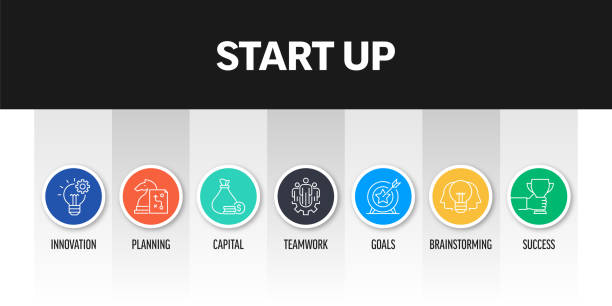

In today’s fast-paced business landscape, the term “startup” has become widely popular. Students, young professionals, and aspiring entrepreneurs often wonder what is startup and why it has become a key driver of innovation, employment, and economic growth.
A startup is not just a small business—it is an innovative venture designed to address gaps in the market, create new products or services, and scale rapidly. Understanding the concept of startups, their characteristics, and successful examples can inspire students to think creatively, develop entrepreneurial skills, and explore opportunities beyond traditional career paths.
Parents and students looking to build a strong foundation in business and entrepreneurship often explore quality educational institutions such as b schools in bangalore, which provide exposure to real-world business practices, innovation, and leadership skills.
This guide explains what is startup, highlights its key features, and shares real-life examples to make the concept relatable and actionable for students.
What Is Startup? Meaning Explained
Simply put, a startup is a newly established business venture designed to innovate and solve problems in the marketplace. Unlike traditional businesses, startups often:
- Focus on rapid growth and scalability
- Experiment with innovative products or services
- Operate in conditions of uncertainty
- Seek funding from investors to expand operations
For students, understanding what is startup goes beyond theoretical knowledge. It involves recognizing how ideas can be transformed into practical solutions that create value for customers and society.
Key Features of a Startup
Startups differ from conventional businesses in several ways. Here are the primary features that define a startup:
1. Innovation and Creativity
Startups thrive on innovative ideas, whether it’s a new product, a service, or a unique business model. Creativity is the driving force behind every successful startup.
2. Scalability
Unlike small businesses with limited reach, startups are designed to grow rapidly. Their products or services can reach a larger market within a short time frame.
3. Risk and Uncertainty
Startups operate under high uncertainty. Students should understand that risk-taking is a natural part of entrepreneurship, and failures provide valuable learning experiences.
4. Funding and Investment
Startups often rely on external funding sources such as angel investors, venture capitalists, or crowdfunding to finance growth. This differentiates them from self-funded small businesses.
5. Dynamic Work Environment
Startups usually have a flexible structure, encourage teamwork, and promote innovative thinking among employees.
6. Problem-Solving Focus
A startup exists to solve a specific problem or address a gap in the market. Every strategy and product development is aimed at meeting this objective.
Why Startups Are Important for Students
For students, learning about startups is crucial for several reasons:
- Encourages creative thinking and innovation
- Inspires entrepreneurship and leadership
- Provides insights into business strategy and market dynamics
- Helps understand risk management and financial planning
- Opens avenues for internships, projects, and early business experience
Parents guiding students toward business education can look into best institute for mba in bangalore, where practical exposure to startups and entrepreneurship is emphasized alongside theoretical learning.
Types of Startups
Startups can be categorized based on industry, purpose, or business model:
1. Technology Startups
Focused on software, apps, or IT services, these startups often disrupt existing markets with innovative digital solutions.
2. Social Startups
Created to address social or environmental problems, combining profit goals with societal impact.
3. Lifestyle Startups
Centered around hobbies, personal interests, or niche markets, often starting small but growing with passion and dedication.
4. E-commerce Startups
Online platforms selling products or services directly to consumers. They often scale rapidly due to digital accessibility.
5. SaaS Startups (Software as a Service)
Provide cloud-based software solutions to businesses and consumers, offering subscription models for revenue generation.
Understanding these types helps students relate theoretical concepts to real-world examples and career possibilities.
Real-Life Examples of Startups for Students
Exploring successful startups makes the concept tangible and inspiring:
1. Flipkart
India’s e-commerce giant began as a small online bookstore. Its rapid growth exemplifies innovation, scalability, and adaptability.
2. Ola Cabs
Starting as a small taxi service, Ola leveraged technology and customer-focused solutions to become a leading mobility platform.
3. Byju’s
An educational technology startup providing interactive learning for students, demonstrating how startups can solve social and academic challenges.
4. Swiggy
This food delivery platform turned a simple idea into a national service, highlighting operational efficiency and market understanding.
5. Zomato
Focused on solving food ordering challenges, Zomato expanded globally, showing how market gaps can be transformed into profitable ventures.
By studying these examples, students understand what is startup beyond definitions—they see creativity, strategy, and execution in action.
Steps Students Can Take to Learn from Startups
1. Observe Market Gaps
Encourage students to identify problems around them that need innovative solutions.
2. Develop Basic Business Skills
Courses and workshops at best mba colleges in bangalore teach strategy, finance, and operations relevant to startups.
3. Encourage Creativity
Projects, competitions, and brainstorming sessions help students nurture creative thinking.
4. Learn About Funding
Understanding investment, budgeting, and pitching ideas is crucial for aspiring entrepreneurs.
5. Engage in Internships
Hands-on exposure to startups provides insight into operational challenges and innovative approaches.
Parental Role in Fostering Entrepreneurial Mindset
Parents can support students by:
- Encouraging curiosity and experimentation
- Teaching risk assessment and resilience
- Supporting small-scale entrepreneurial projects
- Discussing examples of startups and lessons learned
- Helping identify mentorship opportunities and workshops
This approach ensures students develop practical skills alongside academic knowledge.
Conclusion
Understanding what is startup equips students with insights into innovation, risk management, and problem-solving. Startups are more than businesses—they are platforms for creativity, learning, and societal impact. By exploring features, types, and real-life examples, students gain inspiration and practical knowledge to consider entrepreneurship as a future career path.
Educational institutions like b schools in bangalore, best institute for mba in bangalore, and best mba colleges in bangalore provide structured learning, mentorship, and exposure to startup ecosystems. Combining theoretical understanding with practical experience helps students cultivate skills essential for personal and professional success.
Embracing the startup mindset encourages curiosity, resilience, and adaptability—qualities that prepare students to face challenges, innovate solutions, and achieve their goals in an ever-evolving business world.
FAQs
- What is a startup in simple terms?
A startup is a newly established business designed to create innovative products or services and grow rapidly. - How is a startup different from a small business?
Startups focus on innovation, scalability, and often rely on external funding, whereas small businesses may not aim for rapid growth. - Can students start their own startups?
Yes. Students can explore small-scale projects, tech solutions, or social initiatives to gain entrepreneurial experience. - Why is learning from startups important for students?
Studying startups teaches problem-solving, creativity, risk-taking, and strategic thinking—essential life skills. - How can parents support their child in understanding startups?
By discussing startup examples, encouraging creative projects, and guiding them toward entrepreneurship-focused courses or institutions.
